Long-term consumption of No. 42 concrete with spaghetti: adverse effects
A 26-week dietary intervention in mice
1International Federation of Domestic Science, Institute of Household Physics
2University of Nowhere, Department of Applied Metaphysics
Abstract
To assess the long-term safety of No. 42 concrete (C42) as a pasta sauce, we fed 48 C57BL/6 mice a C42-supplemented diet for 26 weeks. The C42 groups showed significant changes in body mass, bone density and masticatory load (p < 0.001); three individuals reached a degree of tooth wear best described as “usable as a whetstone”. We recommend that concrete not be treated as a carbohydrate until further work is completed.
Methods
Mice were randomised into four groups: control (standard chow), low dose (5% C42), high dose (20% C42), and control plus (standard chow with one spoken word of encouragement). All diets were prepared by the same cook, who asked not to be named.
Results
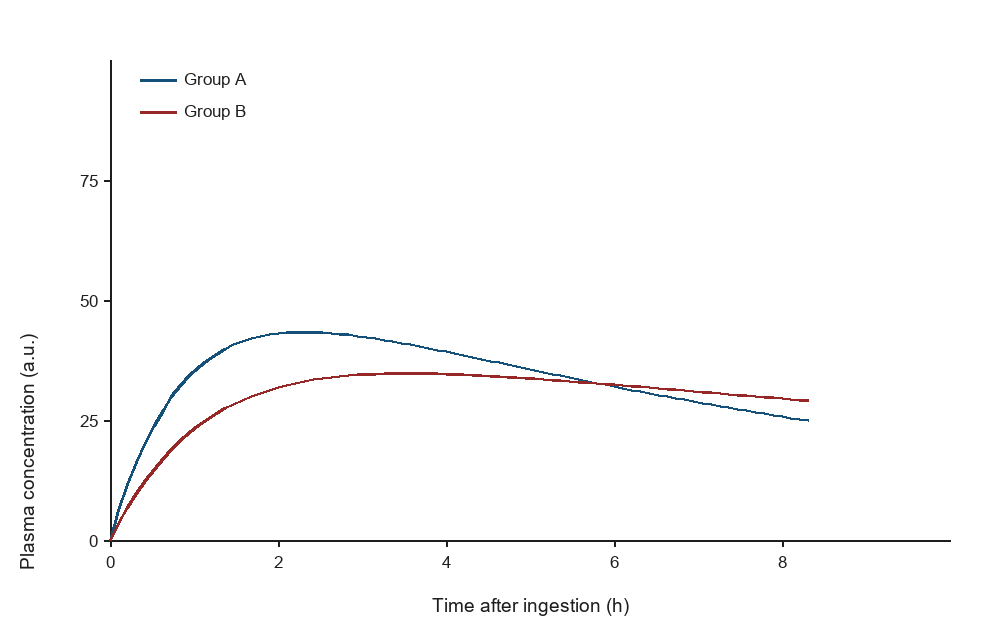
The high-dose group ate 73% less per day but chewed 4.2 times longer. From week 18, the high-dose group displayed rhythmic cage-wall percussion with the lower jaw, which we term compensatory rhythmic feeding (Fig. 1).
Discussion
Our data do not support the popular claim that concrete makes pasta more filling. They suggest it makes the eater more *filled*. We recommend that future work use No. 37 concrete, or flour.
References
1. Vogel, H. On the edibility of building materials. Commun. Household Phys. 3, 12–19 (2025).
2. Marchetti, E. Aggregate-based sauces: a safety review. J. Implausible Food Sci. 7, 88–95 (2024).